


How Often Should You Deep Clean Soft Furnishings Each Year?
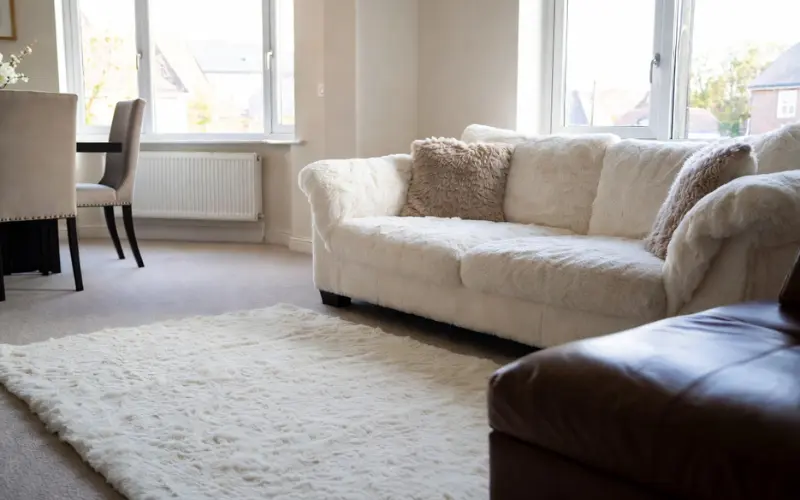
Sofas, dining chairs, carpets, and mattresses are the most used items in your house, yet these soft furnishings often fail to receive consistent cleaning. A vacuuming here and spot cleaning there, but not a fixed schedule. Such randomness in the cleaning plan allows allergens to thrive, causing health issues and potentially damaging the furnishings.
Hence, knowing how often to deep clean soft furnishings is crucial. It helps keep your furnishings and upholstery fresh and healthy while extending their overall lifespan, minimising the scope for replacement or unnecessary expense.
The article also explains why deep cleaning matters, alongside the complexity surrounding different furnishings, so keep reading to find out more.
Why Deep Cleaning Soft Furnishings Matters?
Irregular cleaning of furnishings is ineffective and causes more issues than one may realise. The surfaces might appear clean, but dirt, pet hair, and other allergens embed deep and compromise hygiene. This happens mainly because some areas are cleaned while others are not due to a lack of precision or attention.
Your soft furnishings age faster, losing their original integrity. Stains removed with spot cleaning often cause discolouration and leave a lingering odour that is hard to eliminate, signifying why following a proper soft furnishings deep cleaning frequency is vital.
Key Insights on How Often to Deep Clean Soft Furnishings
You saw how unplanned and random cleaning can have damaging effects on upholstery, carpets, leather, and mattresses. Each of these furnishings has its own usage patterns and material complexity.
Below, we have profiled each category, which explains the material complexity and highlights the recommended cleaning frequency with diy routine care:
#1. Upholstery
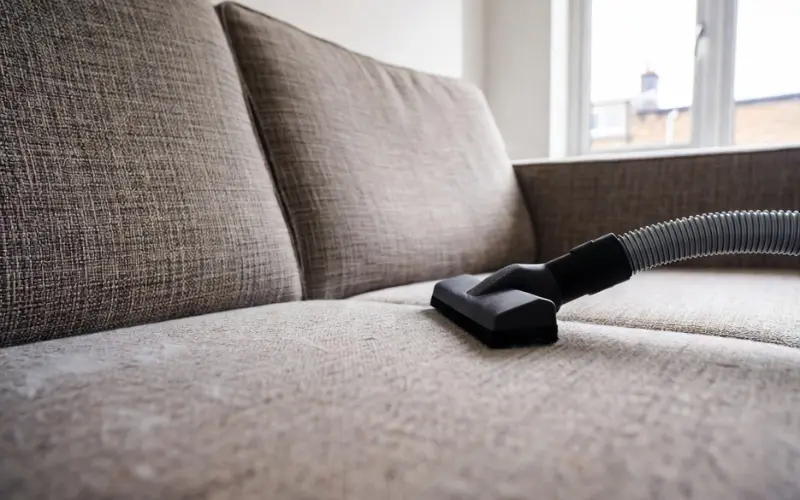
The textile paddings and coverings on furniture such as chairs, sofas, and other items are referred to as upholstery. They are the most used amongst the soft furnishings of the house, facing frequent spills, wear and tear, or allergen buildup.
Material complexity:
Upholstery comes in a wide range of fabrics such as cotton, wool, linen, synthetic, or delicate fibres like velvet. Each material has a unique structure, absorbency and reacts differently to cleaning solutions.
For instance, cotton or wool absorbs spills fast and is prone to shrinking if not cleaned properly. Likewise, synthetic fibre traps odours, and delicate fibres like velvet wear off easily.
How often to deep clean:
- Recommendation: One professional deep clean session every 12 months.
- Situational adjustments: Upholstery cleaning frequency is based on high pet activity, furniture usage, or constant allergies; a bi-annual deep clean provides effective results.
- Routine DIY care: Weekly vacuuming with an upholstery attachment to remove dust, skin particles, and pet hair, to prevent build-up between deep cleans.
#2. Carpets
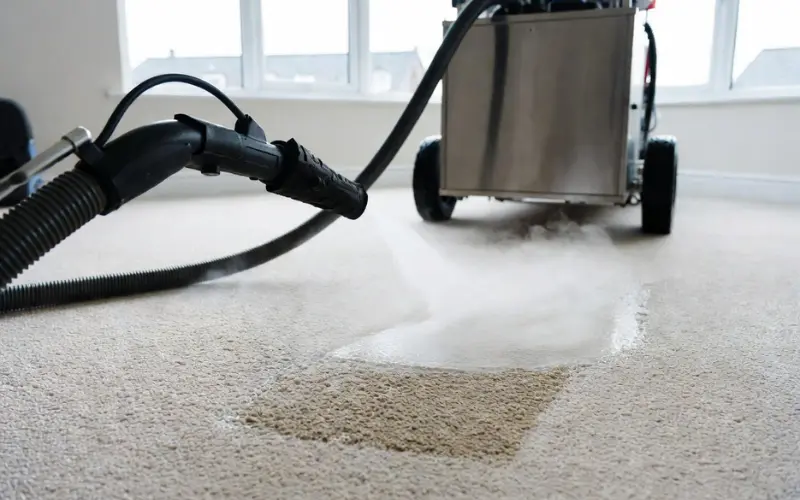
These soft furnishings covering the floor add comfort and warmth to the house, making it more inviting. However, they bear heavy foot traffic and are susceptible to continuous dust accumulation.
Material complexity:
Carpets vary significantly based on fabric type, pile style, and material backing; wool material is resilient but sensitive to certain cleaning solutions, while carpets made of synthetic or polyester materials resist stains but trap odours in deep piles.
The pile construct, i.e., cut, loop, or shag, determines how carpet traps dirt, making cleaning tricky. The backing materials underneath can complicate it further, as there’s always a risk of slow drying or shrinking during carpet cleaning.
How often to deep clean:
- Recommendation: A professional deep clean once every 12 months.
- Situational adjustment: Bi-annual cleaning, especially if your household has pets, children, or allergy sufferers, or if the furniture is in heavy daily use.
- Routine DIY care: Weekly vacuuming and spot cleaning to prevent build-up between deep cleans, while avoiding common carpet cleaning mistakes.
#3. Mattresses
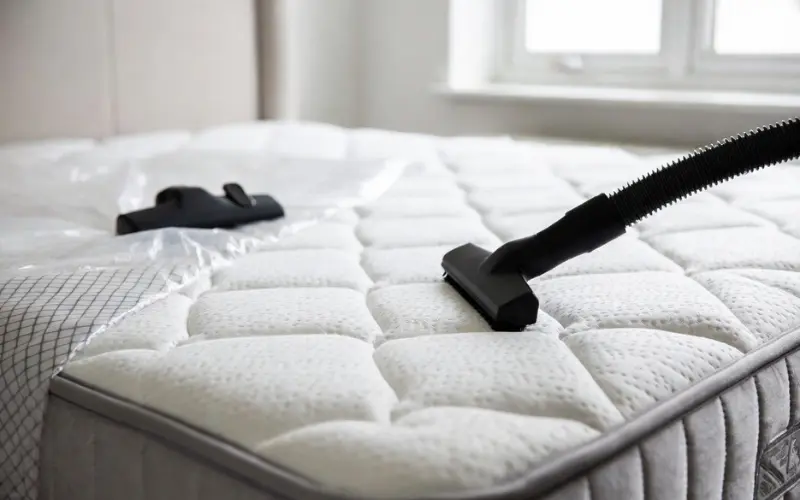
Mattresses are textile-based furnishing coverings that trap sweat, dust mites, and allergens, directly impacting health and comfort.
Material complexity:
Mattresses are made from memory foam, latex, or traditional spring systems wrapped in fabric covers. Their layered construction makes deep cleaning more complicated. For instance, memory foam is highly porous and loses its supportive structure due to extreme soaking; latex is resistant but sensitive to certain cleaning solutions.
Spring systems often trap dust mites and allergens deep inside the coils. Furthermore, the outer fabric of mattresses is tightly woven, susceptible to mould growth or odour retention if not cleaned properly.
How often to deep clean:
- Recommendation: Professional deep cleaning every 6 to 12 months.
- Situational adjustments: Every 6 months for allergy sufferers, children’s beds, or high pet activity.
- Routine DIY care: Vacuum monthly, rotate or flip the mattress as instructed by the manufacturer, and use protective covers to reduce dirt build‑up.
4. Leather Furniture
These premium furnishings add style and comfort to the house, and the material is environmentally sensitive and different from other fabrics. It’s prone to cracking, fading and requires precise care.
Material complexity:
Leather is not a single material but a type with multiple finishes, i.e., aniline, semi‑aniline, pigmented, or bonded. Each finish has distinctive absorbency, protective coatings, and wear-off vulnerability.
Aniline leather, for example, is massively absorbent and tends to stain, while pigmented leather withstands spills but can crack if not conditioned. Sunlight, heating, and body oils further complicate cleaning.
How often to deep clean:
- Recommendation: Professional leather cleaning and conditioning once a year.
- Situational adjustment: If your house has central heating or direct sunlight hits leather material, consider cleaning every 6 months to prevent drying and cracking issues.
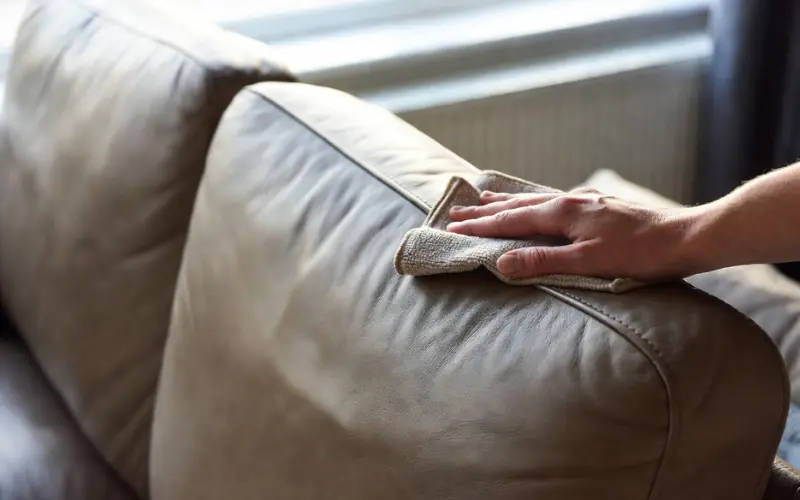
- Routine DIY care: Wipe down with a soft cloth weekly to remove dust and body oils accumulated.
Trust Professionals to Deep Clean Your Soft Furnishings
Knowing how often to deep clean soft furnishings provides a sense of clarity and peace of mind. However, following a fabric furniture cleaning schedule is tough because of the material complexity. Not to mention, deeply ingrained dirt and allergens are hard to remove, leading to failed DIY attempts.
Deep cleaning is intensive care, and once you observe persistent lingering odours, recurring stains, sudden allergy flare‑ups, dull or matted fibres, cracked leather, or musty mattresses, it’s a sign to call a skilled expert.
At Alliance Carpet & Upholstery Cleaning, our experienced team carries out cleaning work with care and meticulous attention to detail. They are industrially trained professionals who will use eco-friendly solutions and top-notch equipment to revamp your furnishings, making them spotless, and facilitating a healthier environment for everyone to enjoy.
Call us today to book a deep cleaning session for your soft furnishings.
FAQs
1) How much does a deep cleaning cost?
The cost of deep cleaning soft furnishing in the UK ranges between £30 and £150, depending on the fabric type, house size, and professional services availed. Get your free quote now to explore our cleaning service packages.
2) What is the difference between deep cleaning and regular cleaning in soft furnishing?
Regular cleaning is a weekly/monthly routine maintenance that works well for visible (surface-level) cleaning, whereas deep cleaning is more intensive and eliminates hidden dirt from the furnishings.
3) How often should you deep clean your sofa?
Assuming the sofa is receiving regular diy cleaning, we recommend deep cleaning your sofa once every six months. This keeps it fresh and free from allergens, dirt, or bacteria, extending overall lifespan.
4) What is the difference between hard furnishings and soft furnishings?
Hard furnishings are solid, tough items such as wooden tables or metal bed frames that provide structural support. Soft furnishings are textile-based items which include curtains, rugs, and cushions, providing comfort in the house.

Peruse more ideas and tricks for your home here:
Lorem ipsum dolor sit amet, consectetur adipiscing elit.

