


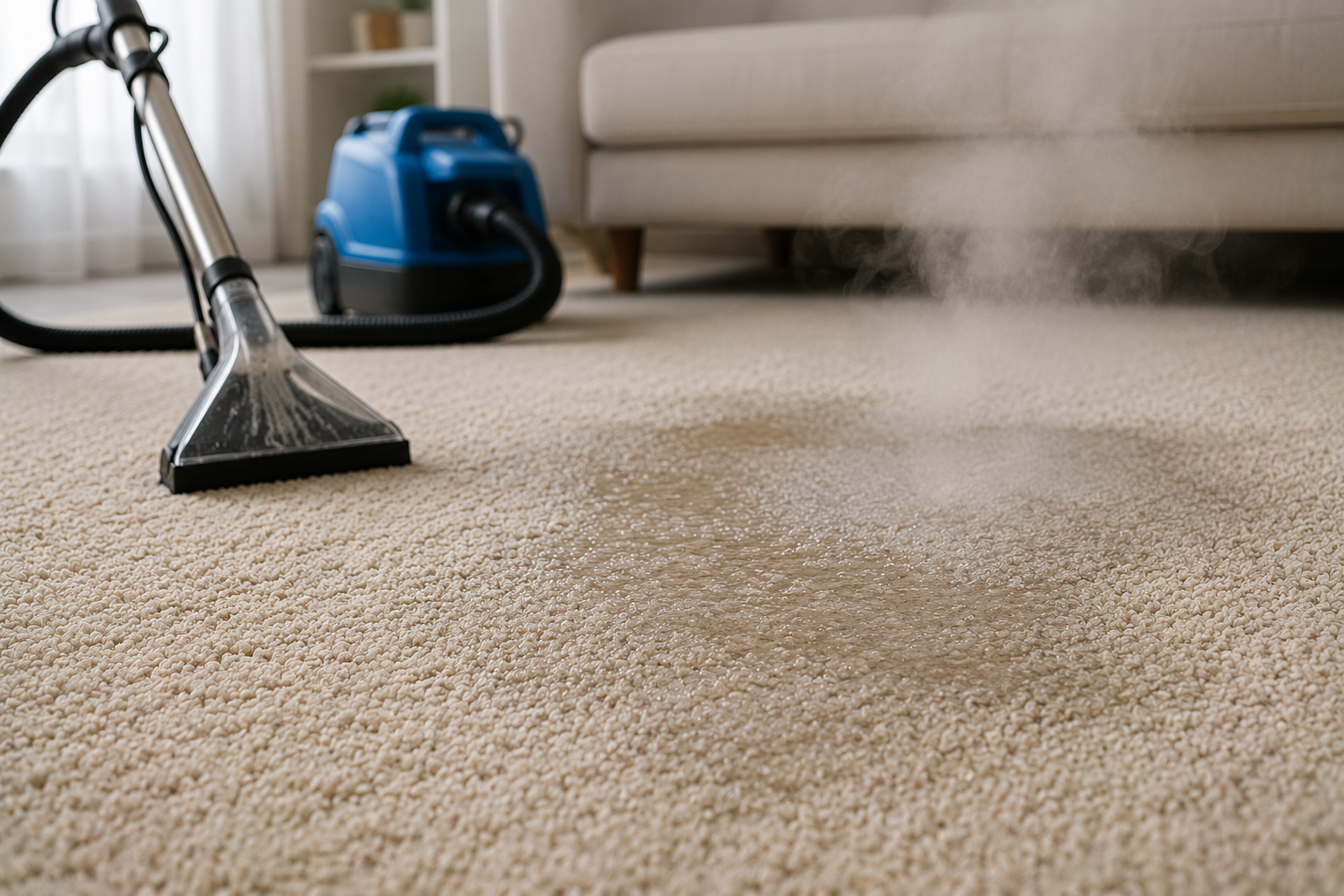
Why Does Carpet Smell Worse After Cleaning?
My team and I have observed that when homeowners do carpet cleaning themselves, they often end up creating the exact opposite of what they intended. You scrub, you rinse, and think it's clean, but then that musty smell rolls back in, which keeps you wondering why the carpet smells worse after cleaning.
Since many homeowners have this question bothering them and share the same concern about carpets smelling worse after cleaning, we decided to provide a clear explanation of why this happens, how you can clean better, and when to call in the specialists.
Why Carpet Smells Worse After Cleaning?
Bad smell after carpet cleaning is mainly due to two major factors: unavoidable conditions that occur even when you think you’ve done everything right, and DIY‑specific mistakes that escalate the odour problem.
Here are some of the reasons my team and I outlined after a thorough discussion:
#1. Excessive hidden moisture
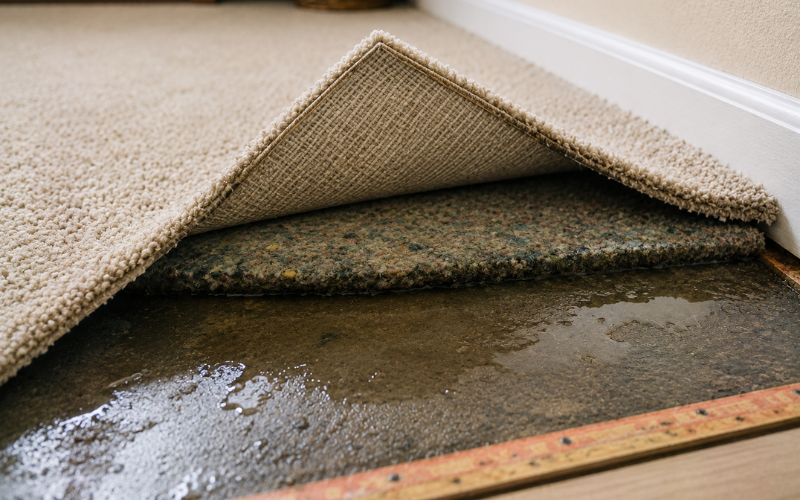
Carpets need to get dry within a few hours, but lingering dampness allows mould and mildew to flourish. Surface may feel dry, but wet padding beneath allows bacterial growth and musty smells. Self-cleaning methods lack the extraction capacity to remove such hidden moisture.
#2. Odours released from deep fibres
DIY Carpet cleaning loosens trapped odours temporarily, even when the fibre looks spotless. Old spills or smoke residues can resurface once fibres are soaked, releasing an unbearable smell.
#3. Humidity and poor air circulation
Moisture gets trapped in basements or poorly ventilated areas, which delays drying. Without proper ventilation, dampness lingers, encouraging microbial growth and activating a mouldy smell.
#4. Recurring stains
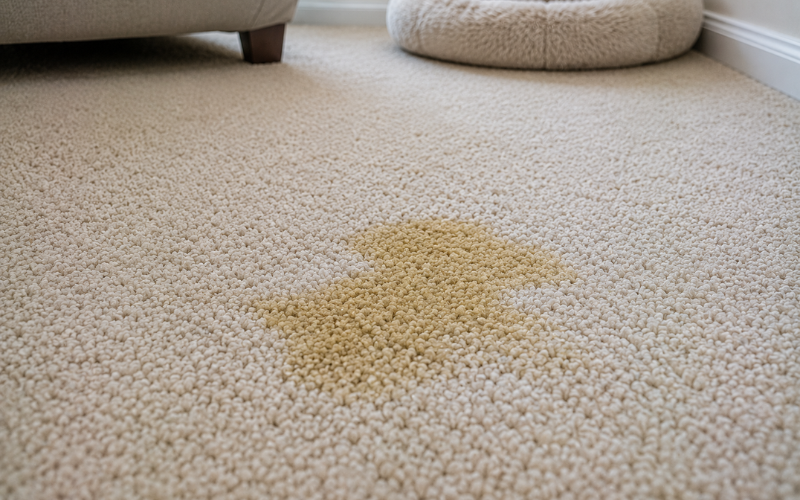
Carpet stains keep coming back after cleaning, wine, urine, or food spills blend again during cleaning, releasing hidden odours. Using the wrong solution or excessive scrubbing can worsen the condition and release bad smells.

#5. Detergent residue
Cleaning solutions used to clean carpets, if not rinsed thoroughly, leave sticky residues behind. These sticky patch releases foul smells. The reason this happens is mainly that homeowners apply excessive cleaning solutions or use random cleaners which are tougher to remove.
#6. Pet urine
Crystallised residues release ammonia vapours when the fabric is rewetted. DIY methods barely eliminate these odours. Once moisture penetrates the fibres, uric acid crystals dissolve and re‑emit strong smells, often worse than it was before.
Pro view: Pet urine is one of the most persistent and irritating causes of carpet odor after cleaning.
Key Tips to Consider While Preventing Carpet Smells After Cleaning
You must have observed that DIY mistakes are the major reasons why carpet smells after cleaning. Hence, we encourage you to consider the following tips to avoid making such carpet cleaning mistakes, which could worsen conditions, causing indoor air pollution:
- Measure solutions carefully, follow the manufacturer's instructions. Using too much detergent leaves sticky films that sour quickly, so avoid it, or simply consider using homemade remedies for better results.
- Rinse thoroughly, always do clean‑water passes after using solutions to remove residues present in the fabric.
- Extract water properly, run multiple dry passes with your rental extraction machine (if available) to pull out hidden moisture, or use towels and blot the area until it feels clean and dry.
- Enable fast drying, use fans, dehumidifiers, or open windows to ensure carpets dry quickly or within 24 hours.
- Choose fibre‑safe options, avoid dish soap or vinegar mixes; use professional‑grade cleaners that are made for carpets, and provide proper cleaning.
- Spot‑treat stains appropriately using enzyme‑based solutions to neutralise pet accidents and organic spills before attempting complete carpet cleaning.
- Use baking soda or a similar natural deodoriser to eliminate smells from carpets.
Signs You Need to Call Carpet Cleaning Professionals
In our years of carpet cleaning, we have observed that even with the best DIY efforts from homeowners, some odours simply won’t go away. That’s when professional intervention becomes essential. Below are some prominent signs which indicate:
- Persistent pet urine odours: Enzyme cleaners may help, but deep uric acid residues often require industrial‑grade solutions and methods.
- Recurring moist smells: If carpets smell musty after every cleaning effort, hidden moisture in the underlay or subfloor may be the cause, which is best dealt with by specialists.
- Visible large or old stains: Food, wine, or smoke residues embedded for years rarely respond to household products.
- Noticeable health problems: Frequent sneezing, coughing, and lung irritatoin cause because of ammonia vapours, mould spores, or bacterial growth can worsen indoor air quality and trigger allergies or respiratory irritation.
- Continued DIY failures: If odours return even after thorough DIY cleaning, it’s a sign that professional extraction and fibre‑safe neutralisers are needed.
What to Expect from Professional Carpet Cleaning
DIY methods have limitations; specialists target the source of odours and eliminate them using precise methods and solutions. Here’s what you can expect from my trained, certified team:
#1. Thorough Inspection
Our technicians begin with a thorough inspection of the fabric to recognise prior cleaning errors and hidden risks such as recurring stains, residue build‑up. Once identified, it helps us pick the right method and prevent odours from worsening.
#2. Hot-water extraction
Using a van‑mounted hot water extraction system, we wash out contaminants and odour‑causing dirt beneath the carpet padding, far deeper than household vacuums can reach. This clears allergens, embedded soil, and the hidden sources of persistent smells.
#3. Use of Non‑Toxic Neutralisers
Our team uses safe, residue‑free odour‑neutralising solutions and rinses carpet thoroughly, leaving fibres clean and free of sticky spots. This helps prevent re‑soiling and ensures smells are eliminated rather than getting masked within the fibre.
#4. Controlled Drying for Odour Prevention
In the final step in making carpet odour-free, we use industrial‑grade drying equipment to achieve fast, even evaporation. This prevents dampness, stops moisture from wicking back up through fabric layers, and minimises the risk of odour build‑up after cleaning.
Trust Experts to Eliminate Odours With Deep Carpet Cleaning
Smelly carpets after cleaning thoroughly can be frustrating. Lingering dampness or hidden residues don’t help, and carpet smells worse after cleaning. Repeating DIY cycles will only waste precious time and make the odour unbearable. To avoid this, it's best to consider professional carpet cleaning.
Alliance Carpet & Upholstery Cleaning has more than 5 years of experience in carpet cleaning. Our experienced team uses effective, eco-friendly solutions to deep clean carpets, eliminating dust, allergens, and stains to make sure your carpet is odour-free and feels fresh.
Give us a call, and let expert carpet cleaners take care of that bothersome carpet smell.
FAQs
1) How long does it take for carpet to stop smelling after cleaning?
With DIY cleaning, a foul carpet smell after cleaning is likely to return, even if done well. It may fade within 24 to 48 hours, but it often resurfaces. Professional cleaning, with deep extraction and controlled drying, usually leaves carpets fresh within 6 to 12 hours, with no returning smells.
2) Does the damp smell ever go away?
Yes, it does, but the damp carpet smell after cleaning doesn’t vanish on its own. It lingers if moisture stays in the fibres or padding. If not dealt with proper drying and odour‑neutralising treatments, it stays for a longer duration and makes the smell worse.
3) What does mould under the carpet smell like?
Mould under the carpet often produces a damp, earthy odour with sharp musty notes. This smell is stronger than the normal damp carpet smell after cleaning, and indicates hidden fungal growth beneath the fibres.
4) What kills carpet odours?
If natural options are to be considered, sprinkling baking soda to absorb moisture and smells, or spraying a white vinegar‑water mix and blotting with a towel, should help. For stubborn, musty odours, it's best to contact professionals.

Peruse more ideas and tricks for your home here:
Lorem ipsum dolor sit amet, consectetur adipiscing elit.

